

Vegan Torshana
Ingredients
1 onion, diced
1 cup (200g) dried apricots
1 cup (150g) raisins
1 cup (150g) golden raisins
1 cup (150g) sundried tomatoes
3/4 cup cashews
1/4 cup pumpkin seeds
2 cups vegetable broth
6 tbsp lime juice
1 tsp coriander
1 tsp cumin
Salt
Pepper
Instructions
- Heat oil in a pot over medium heat. Add onions and cook until translucent (~5 minutes).
- Add fruit and spices and cook for an additional 5 minutes.
- Add vegetable broth and let simmer for at least 30 minutes.
- While the broth is simmering, heat oil in a frying pan over medium heat. Add the cashews and seeds and cook until soft and brown (~7-10 minutes).
- Add the nuts and seeds to the stew, spritz with lime juice, and let simmer for another five minutes. Serve over couscous, rice, or with samoon.
A longer and more detailed description
Have you ever considered why more European dishes aren’t stewed fruit? There’s lots of fruit in Europe, with it being drunk, smashed, and sweetened, but it’s so rarely a dinner food. Granted, I’ll explore a bit more of this thought in a little bit, but for now, let’s leave it as a food thought food for thought.
Start by doing the most basic thing imaginable and sauteing an onion until translucent. Once that’s done, get a little weird by dumping a whole lot of dried fruit on top of it, then added spices and giving everything a lovely little mixy mix. Cook it until you get bored, then add the vegetable broth and a lid, and wander off.
Only, don’t wander too far, because this stew has another step. In a frying pan, heat even more oil and add your nuts and seeds. These should be cooked until soft and brown, just to bring out their lovely flavours. Add them into your stew, spritz everything with lime juice, and let it all simmer for just a bit longer. Once you get tired of waiting, serve your stew either on rice, couscous, or samoon. !بسملة
Substitutions and suggestions
For the dried fruit - This is a dried fruit stew, so there does need to be some sort of dried fruit. However, the exact fruits are less important than that there is fruit. Use whatever fruit you are personally fond of in whatever quantities you prefer.
For the seeds and nuts - Again, which specific seeds and nuts you add matters less than that there’s that little bit of extra texture. Almonds, pistachios, or poppy seeds would be more traditional choices, but feel free to experiment!
What I changed to make it vegan
This is ordinarily made with chicken. I just…didn’t add chicken. Voila, je suis en genius.
What to listen to while you make this
I’ll be honest, I’m not usually a fan of Arabic-language pop music. While I think sung Arabic is an absolutely gorgeous language, the style of instrumentation and rhythm isn’t my thing. However, I really enjoyed “Allah Honej” by Yasser Abd Alwahab, which just goes to show that there is always something to fall in love with.
A brief context for this dish
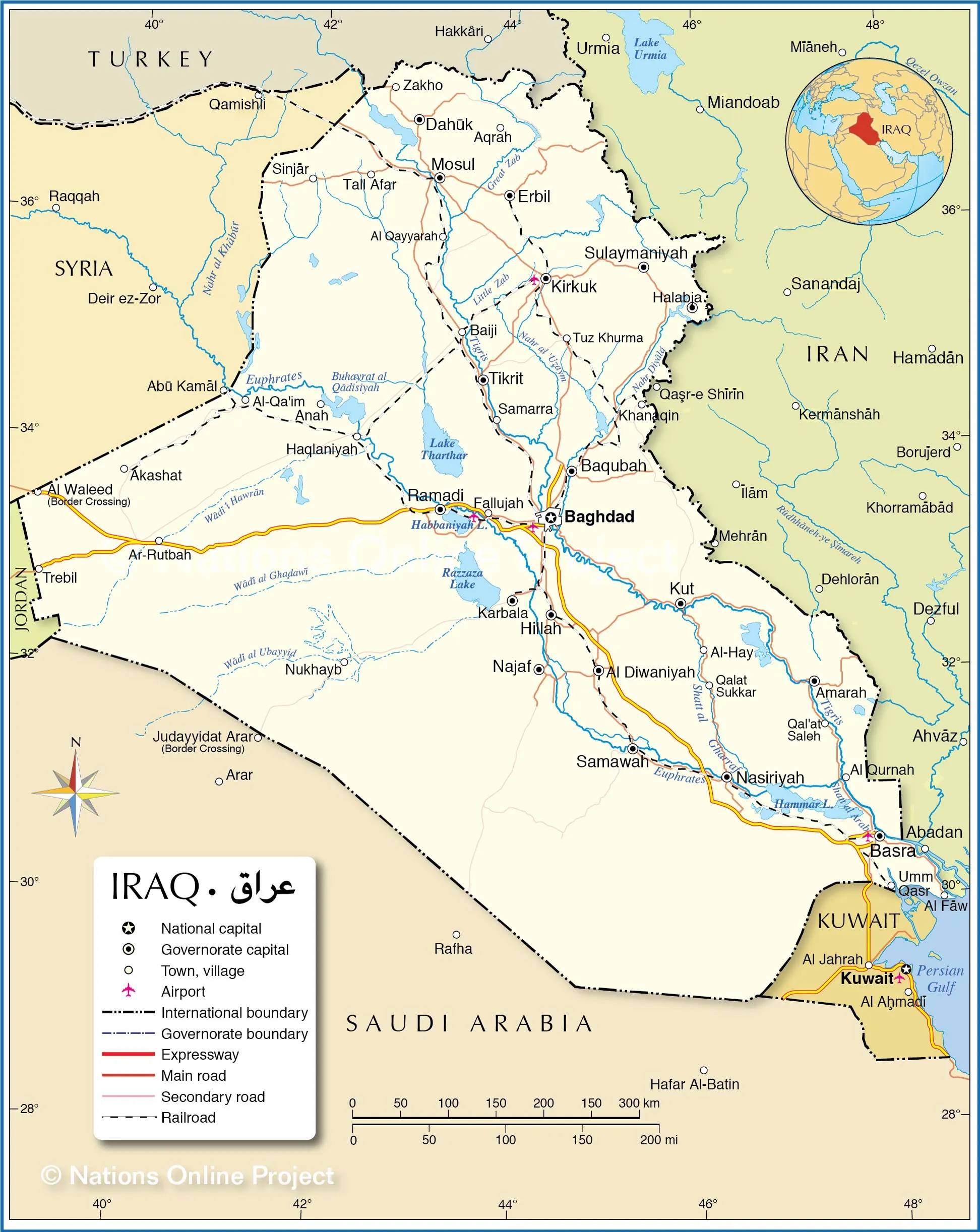
It’s been a theme for several recipes now, but it’s worth reiterating that Iraqi cuisine is absolutely ancient. Iraq is home to Fertile Crescent, one of the origin points for agriculture, and one of the first homes of human civilisation. People have been living in Iraq for thousands of years, and indeed, the world’s oldest cookbooks are Iraqi, detailing the dishes prepared in ancient Babylonian temples.
However, that a cuisine is ancient doesn’t mean it’s immutable, and Iraqi cuisine is no exception. Sandwiched between a variety of empires, both ancient and modern, and lying at the heart of the Islamic Golden Age, Iraq’s cuisine has been shaped by not only its neighbours, but all those who came to Baghdad to trade, study, and live. Iraqi cuisine is a blend of Middle Eastern, Persian, Ottoman, central Asian, and Hindustani cuisines. All the empires and peoples that have made their way through Iraq have left their mark, while also being combined with the unique resources of Iraq.
Iraqi cuisine heavily features lamb and fish - less interesting for vegans - and fruit from its many orchards. While its geography may vary, the role of fruit does not. Iraq is one of the world’s leading producers of dates, and the melons produced in its south are some of the sweetest melons in the world. Fruit, both fresh and dried, is a key part of Iraqi cuisine.
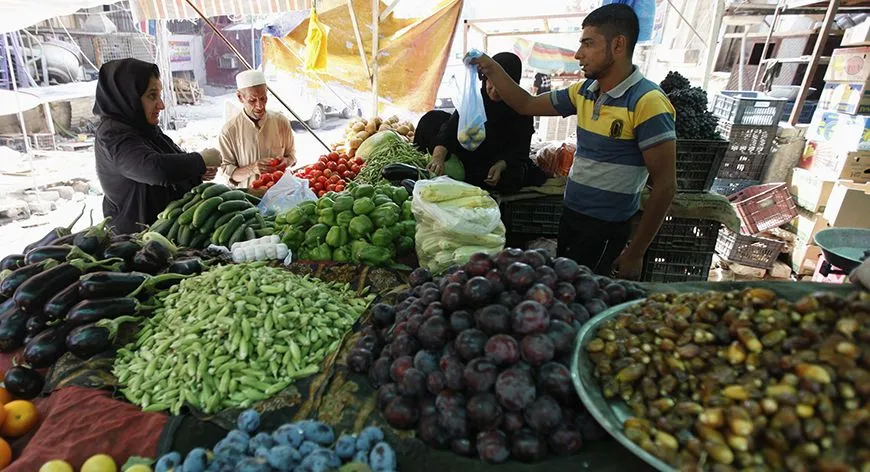 Fruit and vegetable market in Baghdad (Source: Janet Melconian)
That fruit is a key part of Iraqi cuisine is not a modern invention. Translated Babylonian recipes, though heavy on meat, contain multiple recipes with fruit bases, especially dates. A later 10th century cookbook by Ibn Sayyar al-Warraq incorporated dozens of recipes with a wide world of fruits and nuts, ranging from the stone fruits available in the Iraqi highlands to more obscure berries and other fruits.
That we have multiple ancient cookbooks from Iraq is not a coincidence. Baghdad, in addition to being a hub of knowledge, became a hub of culinary prowess and the development of new recipes and techniques. It also became a hub for the mass production of books, including cookbooks. Indeed, when looking at cookbooks written before 1400, there are more cookbooks written in Arabic than every other language combined.
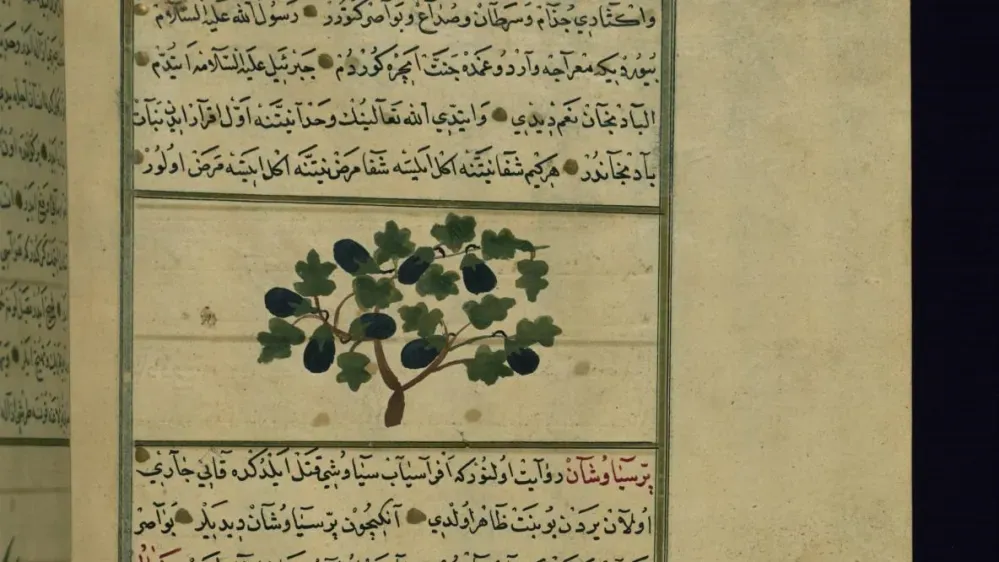 Eggplant depicted in a 14th century Iraqi cookbook (Source: Walters Art Museum)
On the surface, this may seem like a bit of a facetious claim. After all, usually when I talk about the oldest known cookbook of a particular cuisine, it comes from after the invention of the printing press. When literacy is rare and the investment to make a book significant, it seems natural that a cookbook would not necessarily be what authors would invest their time in creating.
This, however, is far from the case in the medieval Islamic world. Sassanid caliphs began the practice of recording the various recipes their many chefs came up with, accumulating vast libraries of recipes. By the 10th century, the practice of recording recipes had made it to Baghdad, each step of a successful recipe being recorded by a scribe so it could be read to an illiterate chef in needed. By the 13th century, cookbooks were a staple for the scribes of Baghdad, writing hundreds of recipes in cookbooks designed to be read by the increasingly literate and worldly city. Cookbooks could contain hundreds of recipes and included not dishes, but ideas for meal planning, drink pairings, hand washing powders, and tips for how the chef should prepare the food (Treasure Trove suggests that the cook should be “agreeable” and have neat fingernails, for example).
Paired with this wealth of cookbooks was a bivvy of songs and poetry and odes to food in all its forms. It was one thing to eat - everyone needs to eat. The purpose of food in medieval Baghdad was to bring joy and to be something to delight in, and all these recipes very much reflected that.
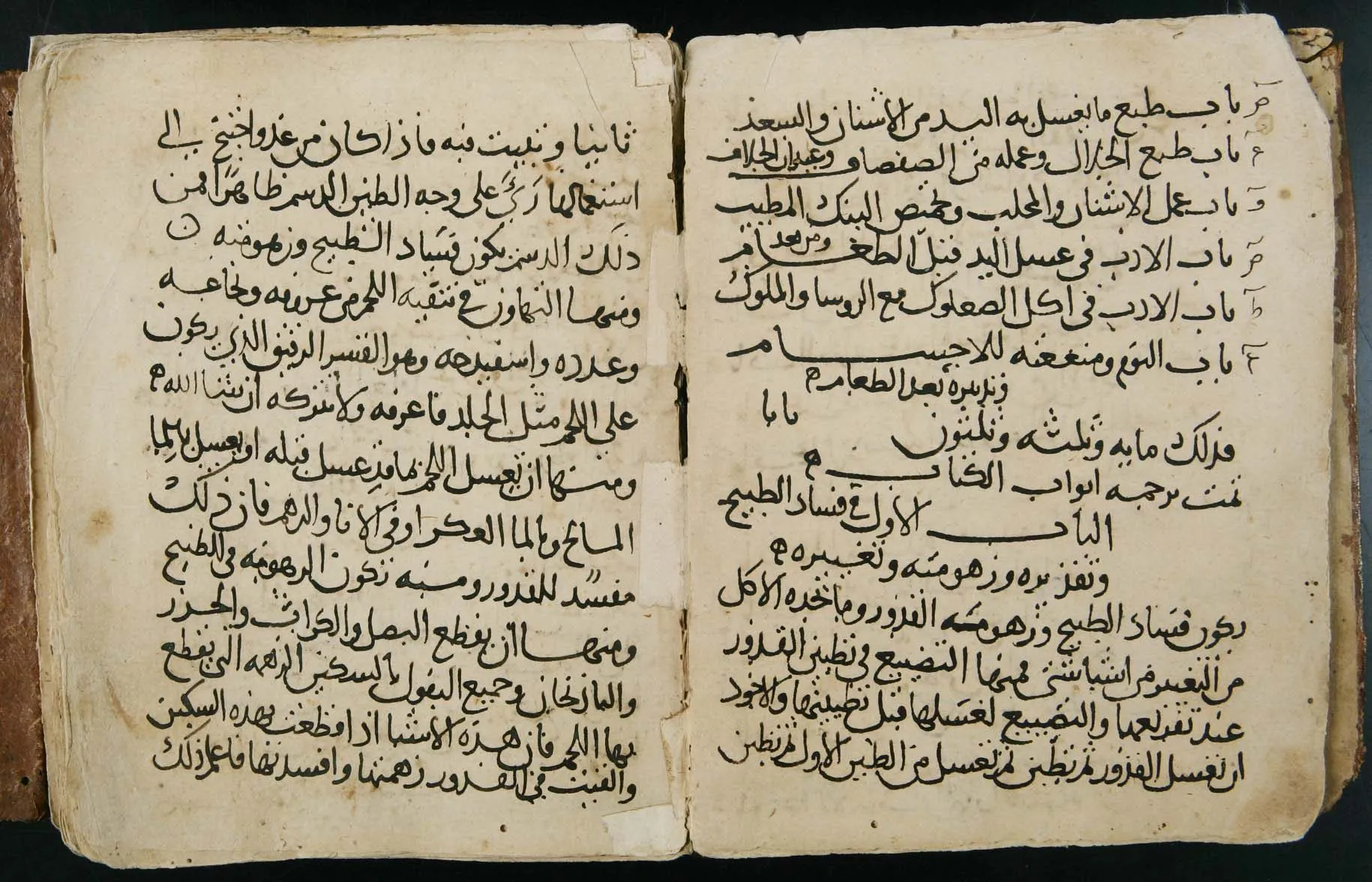 al-Warraq's manuscript (Source: Nawal Nasrallah, via Atlas Obscura)
When learning about the past and about all the dishes I make, I always see myself as continuing a long story. Each dish is special and meaningful to those who make and consume it, whether it be a survival food or a vast fancy affair. It’s in learning about how food was viewed in medieval Iraq, however, that I feel very close to the past. Then, like now, food is a celebration of who we are and where we’ve come from. It’s something to delight in, to believe in, and to share joyfully with others. We are the inheritors of the past, and we are the continuation of a deeply human story. The people of the past are as human as we are, and the utter joy of food proves it.
As a final note, I cannot recommend Nawal Nasrallah’s blog and books enough if you’re interested in learning more about Iraqi cuisine and culture. Which you should be. It’s amazing.