

Vegan Shahan Ful
Ingredients
1 can fava beans
1 onion, diced
3 cloves garlic, minced
1 jalapeno, chopped
1 tomato, chopped
1/4 cup (60ml) water
1 tbsp lemon juice
1 tbsp paprika
2 tsp cayenne pepper
1 tsp cinnamon
1 tsp coriander
1 tsp fenugreek
1 tsp black pepper
1 tsp cardamom
1 tsp allspice
1 tsp cloves
1 tsp onion powder
1/2 tsp nutmeg
1/2 tsp ginger
Instructions
- Heat the oil in a pan over medium heat. Add the onion, garlic, and jalapeno, and cook until soft (~3-4 minutes).
- Add all spices except the lemon juice. Stir to cover the vegetables.
- Add the beans, tomato, and water, and stir again. Cover and simmer for 10 minutes.
- Once cooked, mash the beans into roughly the consistency of mashed potatoes. Spritz with lemon juice and serve.
A longer and more detailed description
I like that there’s a whole family of dishes that I have mentally classified as being similar to hummus. There’s hummus, baba ghanouj, and now this. Heck, I’d even argue that guacamole is a type of hummus, if you really think about it. It’s smashed thing, eaten with a non-bendy carb thing.
And just like that, I’ve annoyed most of the world. I’m delighted. Let’s make ourselves a hummus.
Start by heating some oil in a pan, preferably one you can cover with a lid in a few minutes, although you could always unpleasantly surprise yourself and not have a lid and have to improvise. Not that I know anyone who had to do that, but if I did, I’m warning you in advance about it. Add your onions, garlic, and jalapeno to the oil and cook them until they’re soft. Add your spice cabinet to the vegetables and mix. If you aren’t actively choking on the amount of spices you put in this pot, you’ve probably not added enough. Add a little more.
Once your spices are making a lovely haze in your kitchen, add the beans, tomatoes, and water. Give everything a lovely mixy-mix, and add the lid that you definitely planned ahead for. Lower to a simmer, and let everything have a lovely soak in their spice bath.
After waiting an interminably long time (because this is breakfast, and being up to cook breakfast already makes you a hero, so go you!), remove the lid. Mash everything into roughly the consistency of hummus or guacamole. Serve with leftover injera (if you’re fancy) or pita you bought specifically for this (if you’re me). ንጥዕና!
Substitutions and suggestions
For the spices: This is a lot of spices, I know, but there’s a justification for them. With these spices, we’re essentially making a homemade version of berbere spice. If you have that available, use it. Otherwise, break out the spice cabinet.
For the fava beans: If you, like me, have never seen a fava been in your life, never fear! You don’t have to start now! Lima beans are a perfectly acceptable substitute.
For the jalapeno: You don’t have to add a jalapeno. I guess.
What I changed to make it vegan
Nothing. It’s breakfast. I’m lazy.
What to listen to while you cook this
I enjoyed Ghezana by Jemal Romodan. It’s chill, and it’s a nice way to start the day.
A bit more context for this dish
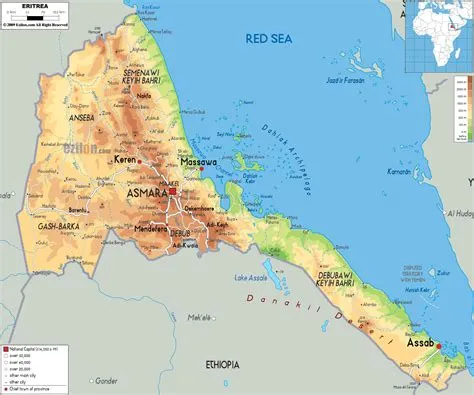
I joked about chucking half the spice cabinet in with this dish, but I’m only half joking. Eritrean cuisine is characterised by its use of spices, as well as its use of injera and a variety of generally meat-based stews. One of the spices that is a key component of Eritrean cuisine is berbere spice.
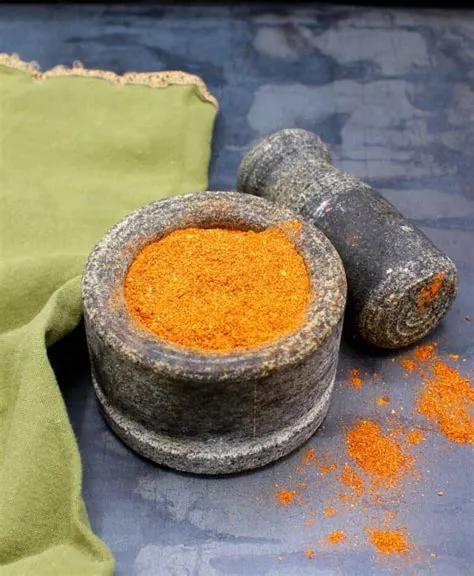
“Berbere” literally translates as “pepper” in Amharic, and peppers are a key component of the spice. However, it is far from the only ingredient, and much of the story of this spice mix tells the story of Eritrea itself.
While it’s difficult to know when exactly berbere became the flavour of Eritrea, there are a few clues in its component parts. We know that fenugreek is native to the Middle East, for example, but very few of the other component spices are native to anywhere near Eritrea. Ginger finds its roots in southeast Asia. Coriander comes from the Mediterranean, and chilis from the map I will always refer to but am consciously refraining from linking.
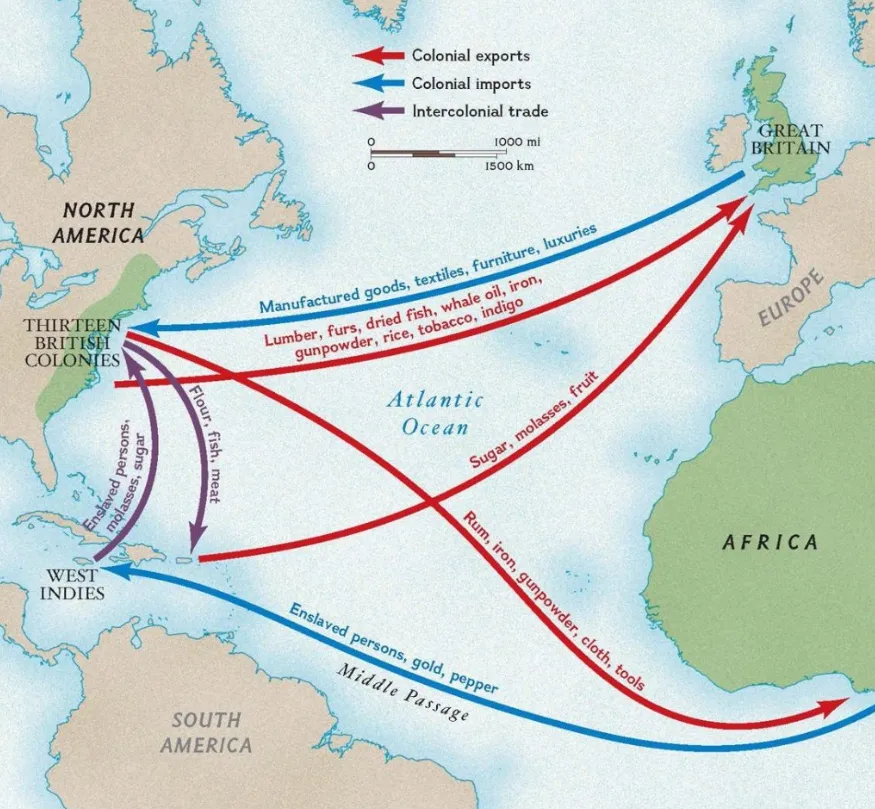 (It's this one. It's always this one.)
That all these spices came together in Eritrea and the Red Sea basin seems unlikely and a little baffling, at least until I drag out another, also familiar map.
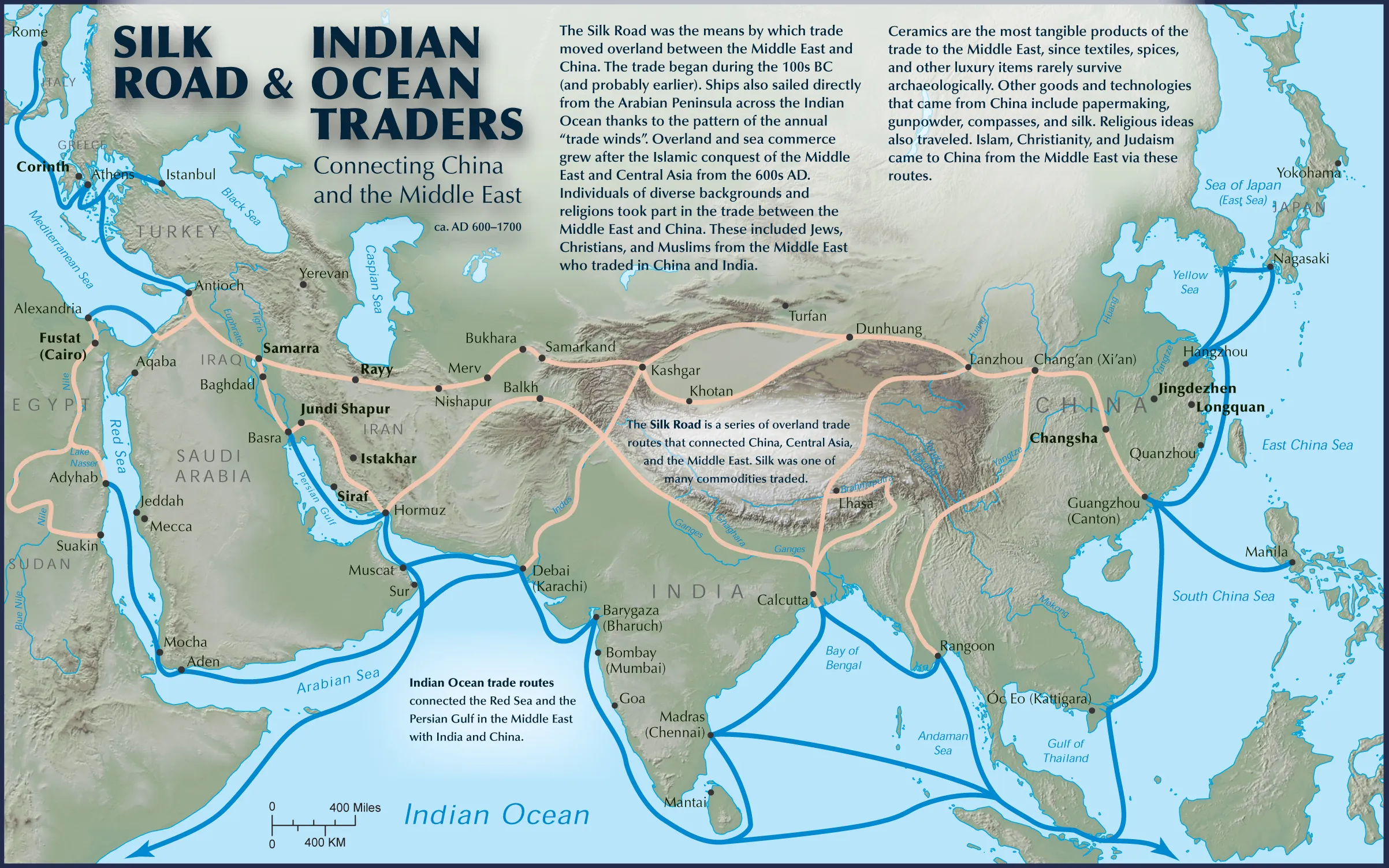
Eritrea sits at the confluence of the Indian Ocean basin and the Middle East, at one of the Nile, and across from the Arabian Peninsula. It provides an access to both the wealth of Africa, and to trade routes stretching into the Mediterranean, Middle East and beyond.
By the 1st millennium BCE, Austronesian spice traders had arrived in East Africa, setting up trade settlements, and trading in exotic spices from Indonesian, Sri Lanka, and India. The markets of Asmara became filled with cloves, nutmeg, and cinnamon. So too did the dishes of the local people, gaining new and rich flavours.
However, the trade routes did not stop there. As spices flowed into Eritrea from across the Indian Ocean basin, they also flowed north into Egypt and the Middle East. Mediterranean, Persian, and Arab spices became part of the palate colouring Eritrean cuisine.
Eritrean cuisine is ultimately the product of a great many ideas and cultures coming together and forming something entirely new and unique. Berbere is just one example of what is a globally human story.