

Vegan Gutti Vankaya
Ingredients
For the curry:
6 egg aubergines
1 chili pepper, chopped
1/2 onion, diced
2 cloves garlic, minced
1/2 cup (250ml) coconut milk
1/4 cup (125ml) tamarind sauce
5 dried curry leaves
1 tsp mustard seeds
1 tsp cumin
1 tsp chili powder
1 tsp coriander
1/2 tsp turmeric
For the masala:
1/4 cup (65g) peanut butter
1/2 onion, diced
3 cloves garlic, minced
2 tbsp sesame seeds
1 tsp coriander
1 tsp cumin
1 tsp cloves
1 tsp cinnamon
1 tsp ginger
1 tsp cardamom
1 tsp chili powder
1/2 tsp turmeric
Instructions
- Fill a bowl with cold water and add salt. From the bottom of the aubergines, cut an X shape into the aubergines. This should bisect the aubergine, but not completely dismantle it (leave the top stem intact and holding the aubergine together). Put the aubergines in the salty water and set aside.\
- Prepare your masala. In a dry pan over medium heat, add the sesame seeds, coriander, cumin, cinnamon, cardamom, and cloves. Lightly toast the sesame seeds, taking care not to burn the other spices. \
- Once toasted, add your toasted spices to the blender. Add the peanut butter, ginger, garlic, onion, chili powder, and turmeric. Blend into a paste, adding water if necessary. \
- Heat a lightly oiled pan over medium heat. Add the mustard seeds, cumin, chili powder, and curry leaves, and cook for two minutes. \
- Add the onion, garlic, turmeric, and chili powder. \
- While the onion is cooking, stuff the masala inside the sliced aubergines. Using a spoon, add spoonfuls of masala in the sliced areas without breaking the aubergine. Small aubergines will likely accommodate one spoonful each. \
- Add the stuffed aubergines to the oiled pan. Add any remaining masala, coconut milk, and tamarind sauce, mix, and cover. Cook for 20 minutes or until the aubergines are soft. Serve with rice or naan.
A longer and more detailed description
Look, we both knew that when I got to India, things were going to get complicated. While I’ll go into more detail in the context section, India has a rich culinary history with a broad array of cooking techniques, most of which I know very little about. That said, I have been actively seeking out Indian dishes and have been learning more about Indian cooking techniques (special thanks to Payal and her recipe site for that), so I don’t think my experiments are too misguided. At the very least, you can rest assured that I’m adapting the vast world of Indian cuisine to a kitchen with very few of the ingredients I actually need as best I can.
I do it for you. You’re welcome.
For today’s dish, though, start by vivisecting some aubergines from the bottom, then drowning them. Make sure the aubergines don’t come completely apart, but slice them enough that they can be stuffed later. Toss them in salty water, then assemble their stuffing.
Start your masala by dry frying sesame seeds, coriander, cumin, cinnamon, cardamom, and cloves. If you have never dry fried spices before, don’t worry. It’s very easy to burn them and make them taste bad. If this is a concern for you, consider this a learning experience! Turn the heat down, the anxiety down, and just trust that everything will be okay.
Once the sesame seeds turn a smidge brown, remove everything from the heat and add it to your handy dandy blender. Add peanut butter, ginger, garlic, onion, chili powder, and turmeric and smash that blend button. Watch it all muddle together into a paste, adding water if you feel a pressing need to do so (turn the blender off first). With that assembled, either immediately stuff your aubergines, or do so in a panic when everything else is frying in a few minutes. I recommend assembling them first.
Take your masala and, one spoonful at a time, shove it down your vivisected aubergine. This will be tough, as aubergines do not generally want to have spoonfuls of paste shoved up their bottoms, but I believe in you. Add paste until the aubergines seem full of it, then set them aside. It is okay to have masala left over. Don’t worry. We’ll use all of it.
Heat oil over medium heat, then dump in your mustard seeds, cumin, chili powder, and curry leaves. Cook these for two minutes or so while dodging the mustard seeds that get shot out of the pan. Add your onion, garlic, turmeric, and chili powder, cooking for a minute or so. Once everything in the pan is nice and sizzly, add the aubergines. I find that holding them by the stem and delicately lowering them like the antithesis of the mighty claw worked best, but you can chunk them if you want to.
With the aubergines added to the pan, pour in your coconut milk, tamarind sauce, and any remaining masala. Cover so the aubergines cook in their own steam, and wander off. I danced to the music I had playing, but you don’t have to. You can do whatever you like.
Once the aubergines are soft, remove them from the curry (again, by the stems if you’re a coward like me) and serve with rice, drenched in the curry.
This is specifically an Andhra dish, so enjoy your meal, ओर जरूर लेना, నీ భోజనాన్ని ఆస్వాదించు, and کھانا کھائیں!
Suggestions and substitutions
For the aubergines: This should be made with young, round aubergines because those cook more easily and more evenly. If, however, you’re not able to find them because your local Asian grocery store is sold out of them for two straight weeks and you’re too invested in making an Indian dish you know nothing about to switch, you can also make this with regular aubergines. Pick smaller ones and be prepared to double the steaming time to ~40 minutes. Add extra water as well at the 20 minute mark to ensure your curry doesn’t burn or get goopy.
For the tamarind sauce: If you do not have tamarind sauce, never fear! Mixing equal parts lime juice and brown sugar will have the same effect.
For the peanut butter: Ideally, this would be made by roasting peanuts, then blending them. However, I wanted to get a richer flavour, and also had a jar of peanut butter I’m trying to get rid of. It worked really well, but do feel free to try the more authentic version as well. For those who do not eat peanuts, cashews are a good substitute, as is cashew butter.
What I changed to make it vegan
Indian food is one of the quintessential cuisines recommended to new vegans and on vegan cooking forums because of its accessibility and vegan-friendliness. While I’ve written about part of why that is in my far-too-long rant about colonial veganism, and while Indian cuisine is not universally vegetarian, this dish is, and I made no adaptations.
What to listen to while you make this
i danced to this song at my wedding
and this song inspired my first novel
i will take no further questions
A bit more context for this dish
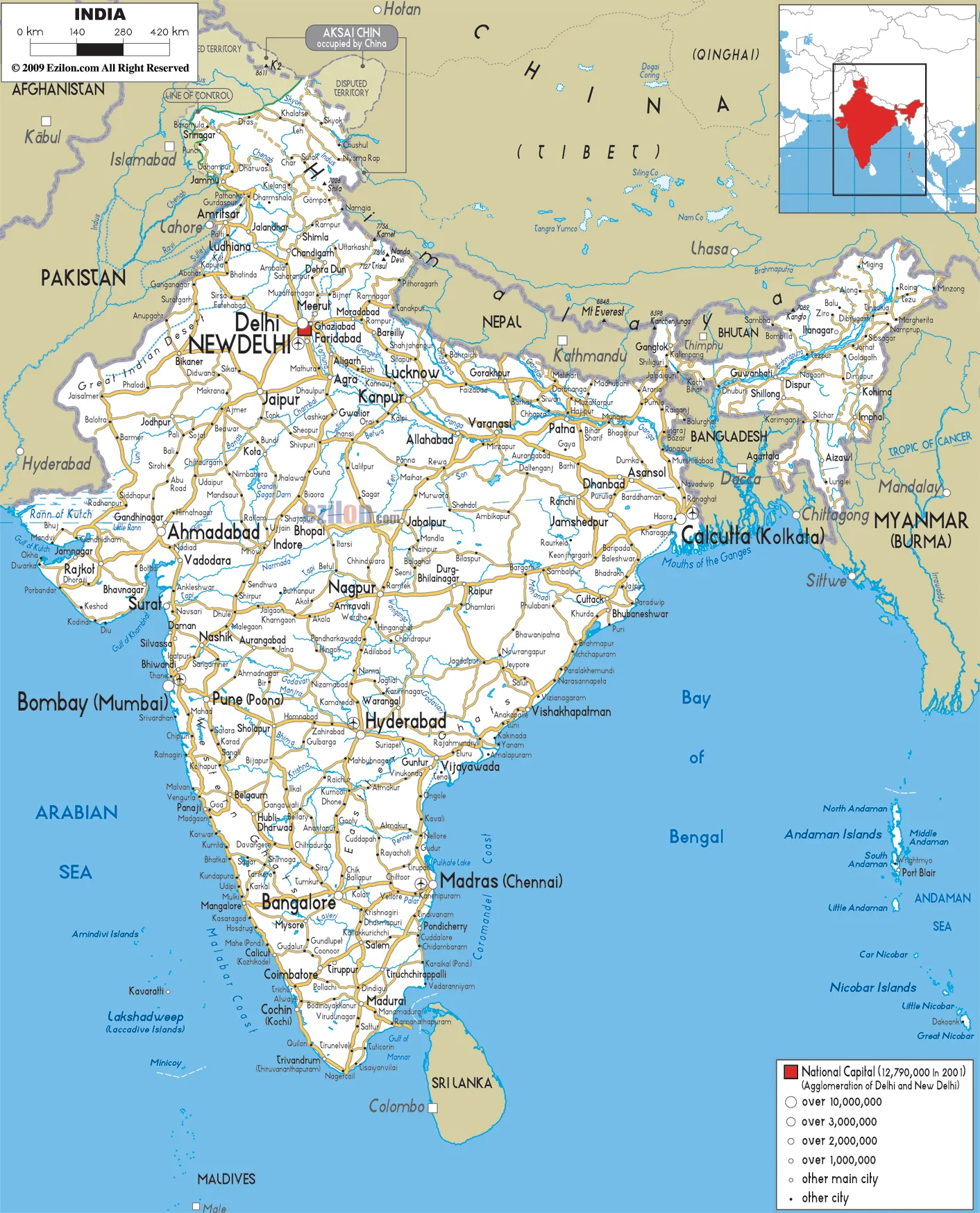
“Indian cuisine,” like the cuisines of most large and massively diverse countries, is a bit of a misnomer. There is no more one singular “Indian cuisine” than there is a singular “Chinese cuisine” or “American cuisine.” The range of peoples and traditions covered by the modern nation of India is immense, and attempting to capture all of them under one singular umbrella is impossible. Equally, today’s dish, like all the dishes I make, is not meant to represent the whole of a country or its people on one plate. Rather, it’s something I found interesting to make, and about which I think I can say something.
All that said, there is a commonality across some of India’s many, many cuisines. Rice and grains are staple crops, with either rice or naan being a frequent accompaniment to a dish. Dry and wet frying spices is a common technique, though which spices are used varies from region to region. Due to the large influence of Hinduism, Jainism, and Buddhism across the Indian subcontinent, many regional cuisines have significant vegetarian options (though again, not all) and traditions.
One staple across much of India, though, is the curry. In some ways, it’s become an international symbol of India and its diaspora, and it, like much of India, has ancient roots.
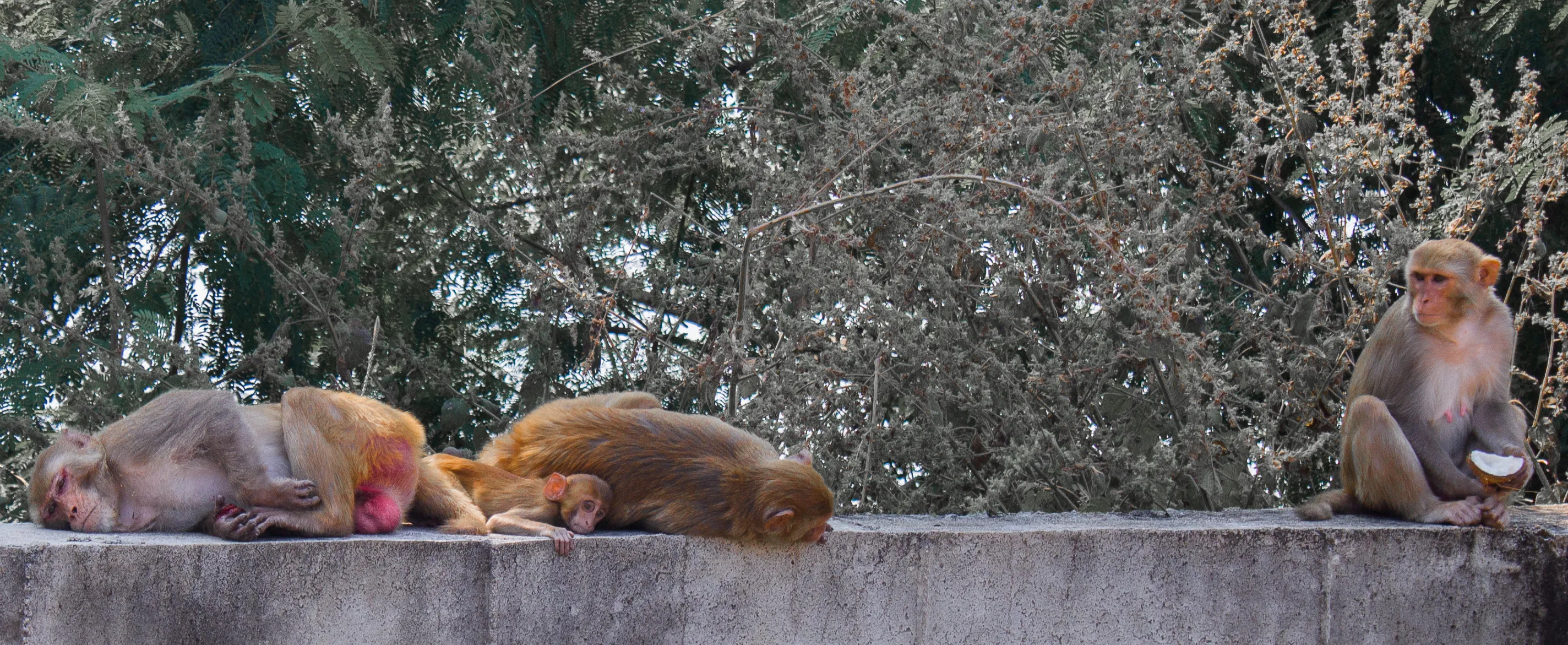 Monkeys relaxing outside a temple in Warangal (Source: I took this picture)
When I say India has ancient roots, it’s not an exaggeration. People have lived in India for at least 55000 years, and there is some evidence of non-Homo sapiens hominids also making the migration out of Africa and into the Indian subcontinent (though they eventually died out). There have been human settlements on the Indian subcontinent for at least 8000 years. It is home to multiple of the world’s oldest extant languages, and is the birthplace of multiple of the world’s largest religions. The Indian subcontinent and its rich, robust history have played a massive role in humanity’s collective heritage.
The use of spices in Indian cuisines is almost as old as settlements themselves. Austronesian traders began trading spices with people living on Indian coastlines around 5000BCE, introducing new flavours that soon became endemic. Mortar and pestles found in ruins in Mohenjo-Daro dating from 2600BCE have traces of ground spices recognisable by modern Indian chefs, and black pepper travelled into India by at least 2000BCE. By the 2nd millennium BCE, garlic, ginger, and turmeric - staple spices of modern Indian cuisine - were endemic to Indian kitchens. Curries in the Indian sense - a sauce or gravy - were being eaten at least 4000 years ago.
What we now call “curry,” however, would not appear until much later and were a product of colonialism and, of course, the Columbian Exchange.
 Map mentioned. DRINK
Chilis are, of course, a product of the Americas. In my post about Bhutan, I talked about chilis’ spread via the Silk Road into the Himalayas and its immense popularity there. Its journey into India, though different, was no less impactful on the local cuisine.
Chilis were introduced to the Indian subcontinent via Portuguese trade in Goa in the 16th century. Prior to their arrival, Indian cuisine was by no means mild; black pepper was widely available and Indian chefs used a wide array of spices. In the north, these spices resembled the Persian kitchens to the west, while other spices and flavourings varied throughout the rest of the subcontinent. 11th century recipes from the Lokopakara list out mustard, cumin, asafoetida, and curry leaves as necessary ingredients. Recipes from the Delhi Sultanate included sesame seeds, ghee, lime juice, and asafoetida, and later Mughal recipes included ginger, lime juice, pepper, coriander, cloves, cardamom, and asafoetida, spices which are all recognisable today. However, once chilis arrived, they took off like wildfire, spreading across the subcontinent. Their ease of cultivation, richness of flavour, and general health benefits made them a perfect addition to India’s already spice-laden cuisines.
It’s this collision between the Americas, Europe, and the Indian subcontinent that gave rise to what we now know as “curry.” Portuguese sailors, staring at the food available in Goa and other Indian ports, asked what it was that people were eating that looked so tasty. Up and down the sub-continent, they received their answer: khari.
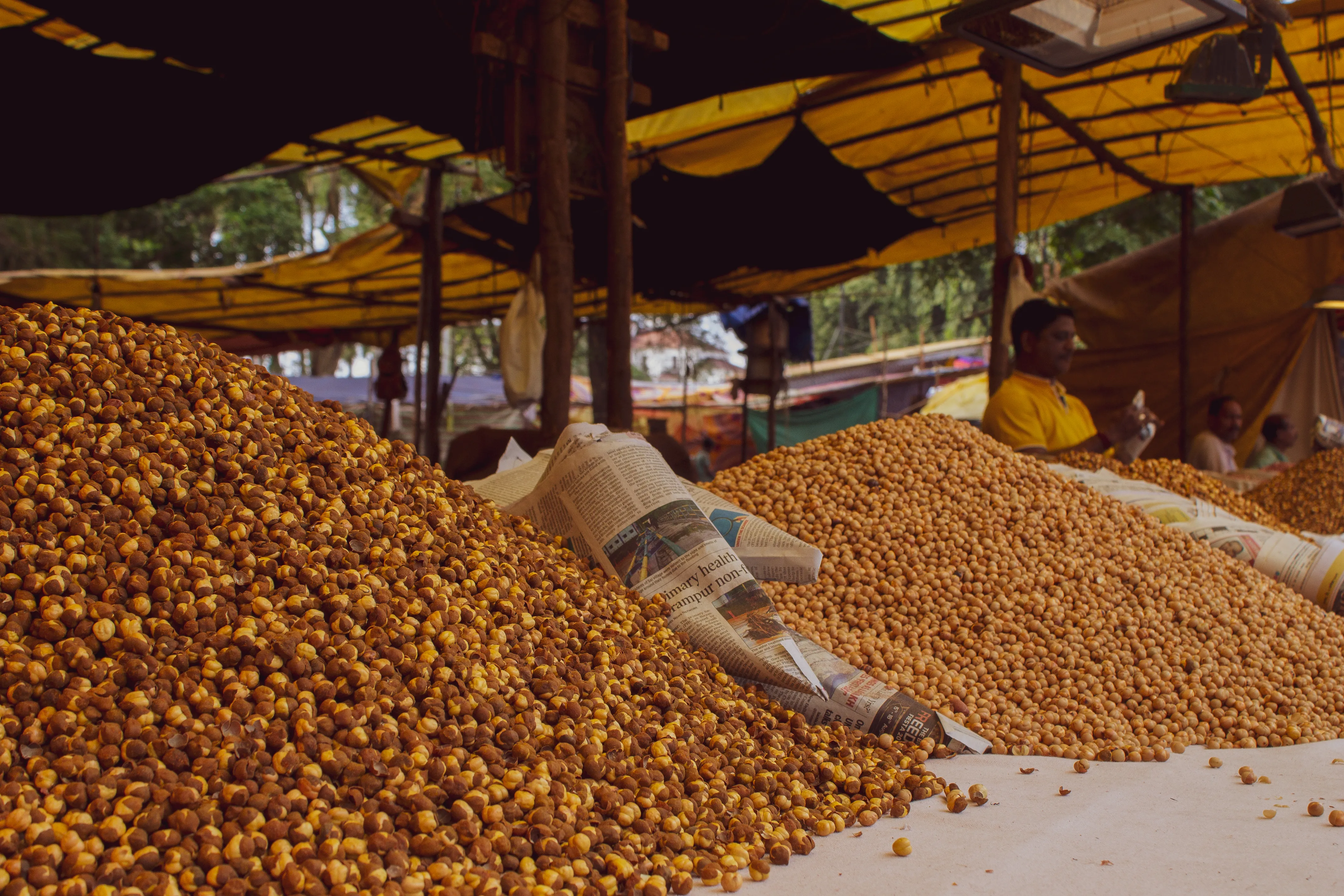 A nut stand in a market in Goa (Source: I took this picture)
In classical colonial fashion, the term “curry” is a misunderstanding of the vast, vast world of Indian cuisines. The whole of kormas, baltis, tikka masalas, vindaloos, and saags got lumped together in one broad understanding of “curry.” When, in 1747, the first written recipe for “curry” appeared outside India in a British cookbook, this “currey the Indian way” stripped out much of the nuance of Indian spices, replacing them with those staple spices of turmeric, garlic, and ginger. This pattern was repeated across much of the British Raj, with British colonisers requesting “British-ised” versions of Indian dishes. Indian servants served simplified versions of the dishes they knew, adapting them to British tastes. When Indian labourers travelled to European colonies, they brought their culinary traditions with them, adapted to the availability of spices in their new homes. Curry, a label imposed on a vast world of Indian culinary traditions, nonetheless became a global food in its own right - an adapted, changed version, far from its origin, but nonetheless a staple not only of its diaspora, but of the new countries that welcomed them.
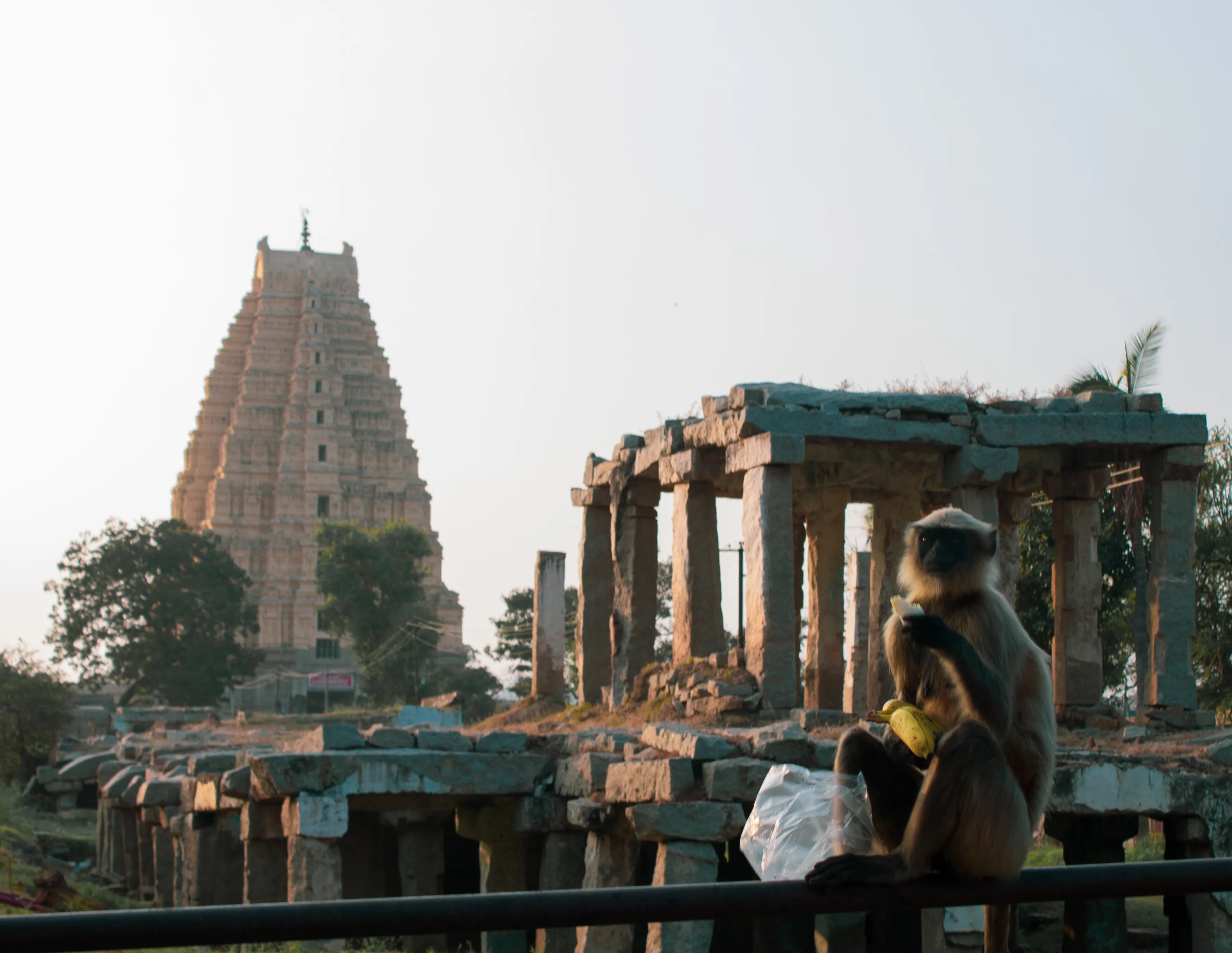 A monkey eating a stolen banana in Hampi (Source: I took this picture.)
Curry, however odd the term may be, remains a global symbol of India with roots stretching back millennia. It is a symbol of diaspora, of adaptation, and of the results of cultures coming together and learning from one another.
And it is a symbol of the sheer diversity and culinary beauty of the Indian subcontinent.