

Vegan Burek me Qepë dhe Domate
Ingredients
3 onions, sliced into half moon strips
3 tomatoes, chopped
4 cloves garlic, minced
8-10 sheets phyllo dough (torn or folded in half)
1 tbsp thyme
Salt
Pepper
Olive oil
Instructions
- Add tomato, onion, garlic, thyme, and a bit of olive oil to a pot over medium heat. Let simmer until the tomato is softened and partially dissolved (~10-15 minutes).
- While the tomato is cooking, preheat the oven to 360F (180C).
- Once the tomato mixture is cooked, begin assembling your burek. Add your phyllo dough to a baking dish one layer at a time, adding olive oil between each layer.
- Once you have added at least six layers (though more layers is better), add all filling. Top with the rest of the phyllo dough, continuing to add olive oil between each layer. Top with more olive oil.
- Bake for 15 minutes or until golden brown.
A longer and more detailed description
Kosovo is a Balkan country, and as such, we are once again delving into the magical world of Ottoman cuisine. Don’t judge me.
Start by chopping your onions and garlic and pitching them into a small pot with some olive oil. Do the thing we always do of cooking them until they’re a bit soft, or until you finish chopping the tomatoes, whichever feels right to you. Once your tomatoes are chopped, add them into the pot, then let the whole thing simmer with your spices until it’s soft and saucy.
This is where the dish gets interesting. Grab your phyllo dough and, delicately, place it in a baking dish one layer at a time. If your phyllo dough is like mine, it came in large square sheets - fold these over to turn one sheet into two layers. Add olive oil between each layer, and continue until you have at least six layers (though it’s better with at least eight layers).
Once you’ve reached the number of layers that feels appropriate, add all the stuffing in one smooth layer. Have a look at it, decide it looks yummy, then add an equal number of layers on top of the filling, continuing to add olive oil between each layer. Once you have your desired number of layers, brush the top with more olive oil, then pop it in the oven for fifteen minutes or so. Të shijshësh!
Substitutions and suggestions
For the filling: There is a wide body of potential fillings you can use for burek (though those will be making something other than domate burek, obviously). Feel free to add whatever stuffing brings you joy! Some traditional options are potato, spinach and mushroom, and cheese.
What I changed to make it vegan
Burek can be naturally vegan, but also tends to be filled with meat. I chose not to fill it with meat, and instead fill it with things I like to eat.
What to listen to while you make this
The Balkan International Band’s Kosovo album was a ton of fun to listen to. Highly recommend.
A bit more context for this dish
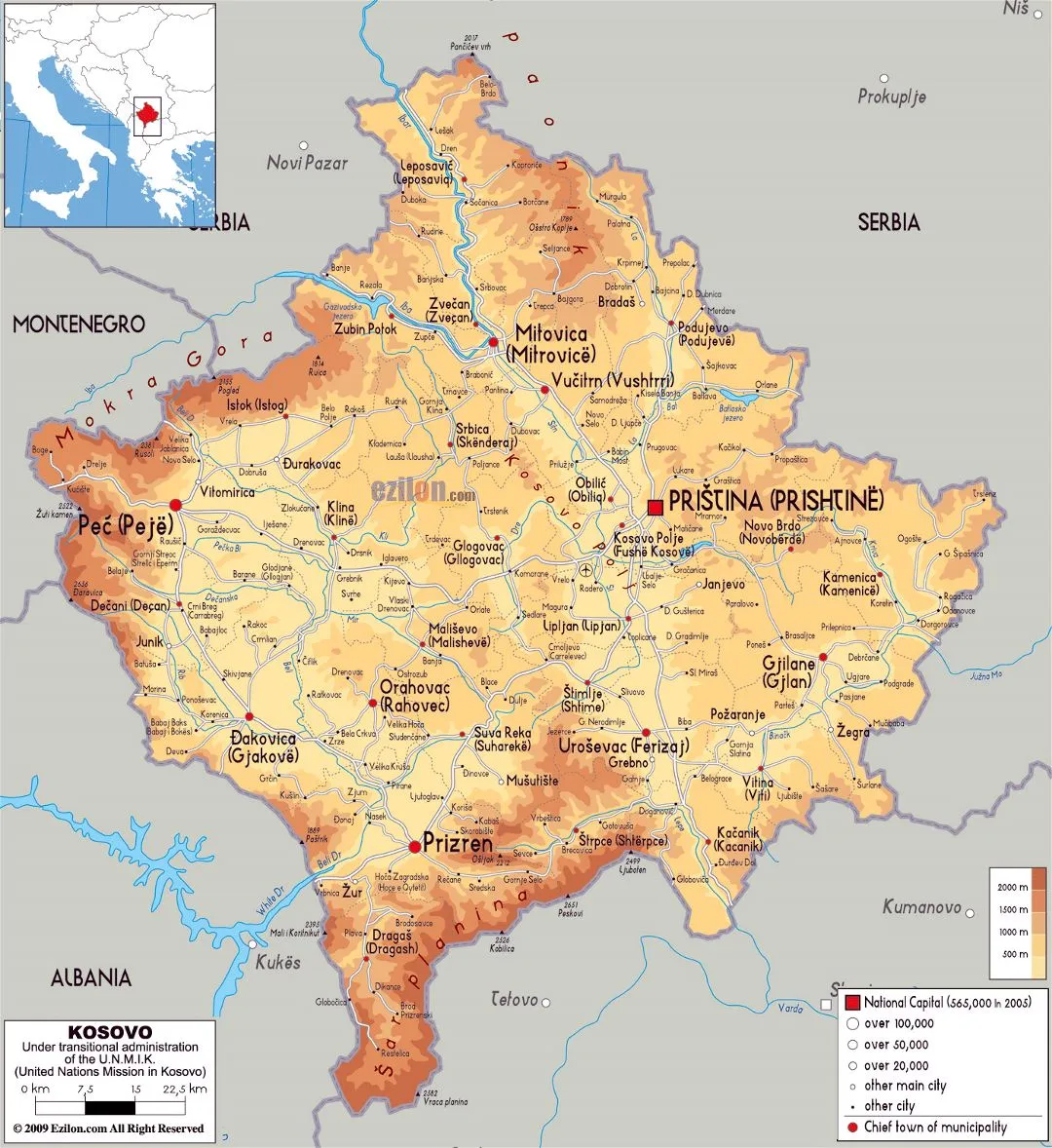
Kosovar cuisine, like much of the Balkans, reflects the mountainous and long-wintered climate of the region, while also incorporating heavy Ottoman influence due to the long history of Ottoman rule. Kosovar cuisine is heavy in bread, while also incorporating tomatoes, pastries, and hardy vegetables. It includes meat, though there is no shortage of vegetarian dishes, especially within the Ottoman-inspired segments of its cuisine.
There is also, of course, an elephant in the room here. Much like the Cook Islands, Kosovo is a country that may or may not appear on a list of countries, depending on where you’re from. My inclusion of Kosovo in this series is an inherently political statement to an extent that isn’t the case with other countries. In including Kosovo, much like with including the Cook Islands, I am making a statement that a state’s autonomy and independence - and sufficient recognition of that independence - make it a country, regardless of what its affiliate nation may say.
This is, as you might imagine, a potentially problematic line to walk. However, there are few conversations about Kosovo that don’t in some way touch on the question of whether Kosovo is a nation, and this particular piece is no different.
Let’s talk about Kosovo.
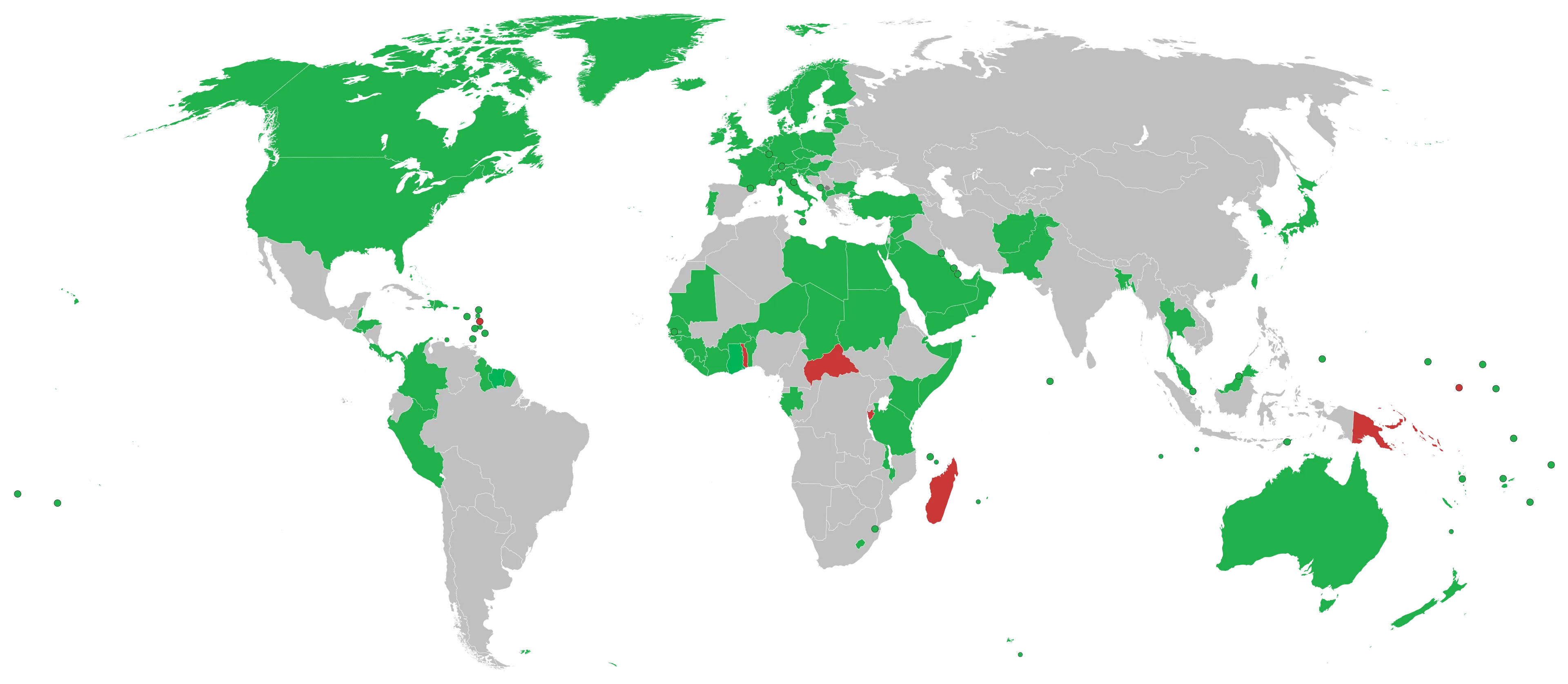 Countries that recognise Kosovo's independence (Source: Wikipedia)
This series has, at this point, touched on several Balkan countries and examined the rise of nationalist movements in the 19th century. Kosovo is no different. Indeed, Albanian nationalism found its roots in Kosovo, with Kosovo arguably lying at the heart of the First Balkan War and eventual independence of Montenegro, Serbia, Bulgaria, and Greece. However, because of its geographic location near Serbia, the Treaty of London handed Kosovo over to Serbia to become part of the newly formed Republic of Serbia.
Kosovars, it should be noted, are ethnically and religiously distinct from Serbians. By 1913, 70% of Kosovars were Muslim, whereas Serbians were Christian. The majority of Kosovars spoke Albanian, while Serbians spoke Serbian. For Kosovo to be assigned to Serbia based on geographic closeness ignored the cultural and ethnic identity that made Kosovo distinct from Serbia. Much like many of the borders drawn in the early 20th century, these borders ignored the lived reality of the people in these areas in favour of arbitrary decisions about power.
These arbitrary assignments continued throughout the 20th century. Under Axis occupation during WWII, Kosovo was divided into sections, some assigned to Italian-controlled Albania, and others to German-controlled Bulgaria. Throughout the entirety of the early 20th century, the ethnic divides that would define the end of the 20th century continuously reared their heads. Serbs executed campaigns of ethnic cleansing against Kosovars, while Albanians targeted Serbs and Montenegrins for deportation and persecution. Kosovo, and who the Kosovars were and could be, remained a bloody struggle for decades.
These struggles did not abate after WWII and with the formation of Kosovo as a province of Yugoslavia. For Kosovars living in Yugoslavia, expressing a Kosovar identity rather than a Yugoslav identity became difficult. Islam was suppressed by Tito in the interests of creating a unified Yugoslav identity. This, of course, ran counter to the rule of Albanian dictator, Enver Hoxha, who saw the repression of Islam and Kosovar identity in Yugoslavia as a threat against his own rule. Kosovars, in turn, protested and rebelled against the Yugoslav government, demanding autonomy and their rights, protests which were brutally suppressed.
By 1989, Serbian president Slobodan Milosevic began his own campaign of suppression against the Kosovars, leading them to, in turn, declare independence in 1990. This, in turn, led to Milosevic declaring war against Kosovo in what became the Kosovo War.
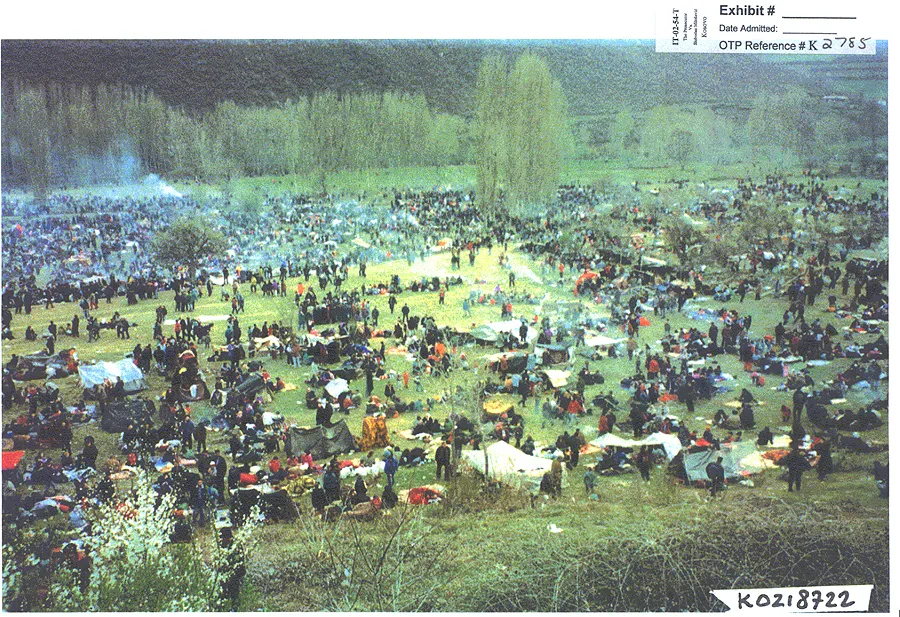 Kosovar refugees at the Bllace Refugee Camp (Source: International Criminal Tribunal for the former Yugoslavia)
For anyone with even a passing knowledge of history or politics, the name Slobodan Milosevic is a memorable one. Slobodan Milosevic is the architect of multiple genocides and ethnic cleansings during the wars that rocked Yugoslavia in the 1990s, including in Kosovo. He is responsible for orchestrating the deaths, tortures, and disappearances of hundreds of thousands in the Balkans, crimes for which he was found guilty in the Hague in 2007. In response to Kosovars asserting their identity and their right to a homeland, he massacred and removed them from said homeland. Milosevic was, in no uncertain terms, a monster.
He is also, however, perhaps part of why Kosovo has the amount of recognition it does.
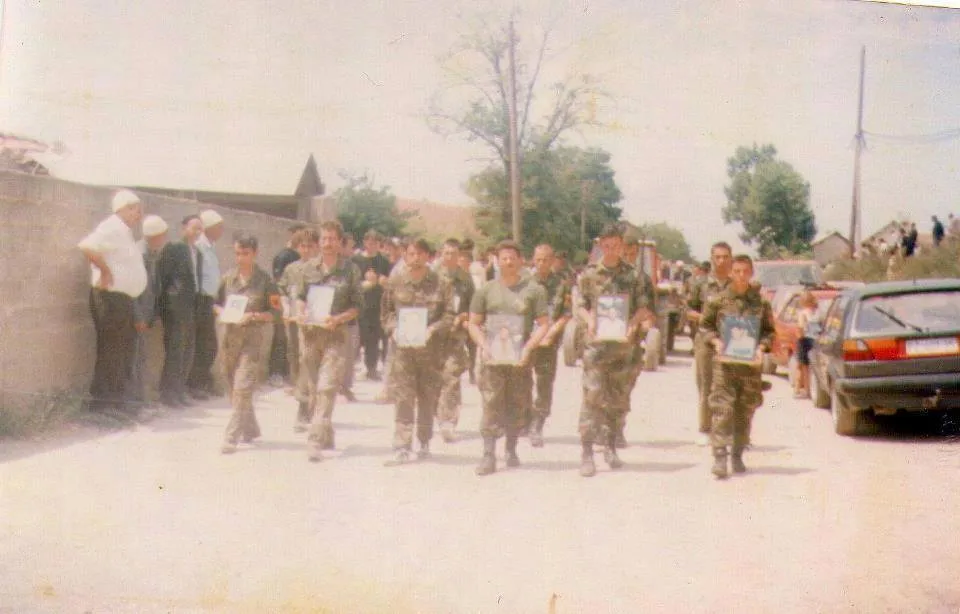 Kosovar soldiers holding pictures of men killed in the Krusha massacres (Source: Wikipedia)
There are many, many countries with regions or peoples who see themselves as deserving of independence, yet who don’t have any particular recognition. Abkhazia, Transnistria, even the Basque Country lack the degree of recognition held by Kosovo. Kosovo and its status as an independent state is recognised by 110 UN member states.
Part of this is that the horror of genocide leaves a lasting impression. Countries, when faced with the consequences of arbitrary borders and a lack of recognition of a peoples, generally feel moved to rectify that inaction. There is a push, in the wake of horror, to do something to ensure it never happens again.
In the case of Kosovo, that is through recognising Kosovo as a nation and recognising the Kosovar people as a people in their own right rather than as Serbs. While Kosovo may not be de jure independent, it is, at this point, de facto independent, with its protection and safety guaranteed by numerous states. It functions as its own state, even while it must continue insisting its declarations of independence from Serbia are valid.
What makes a state is arbitrary. While there are legal definitions and hurdles, what makes those definitions meaningful is arbitrary. It seems odd, for instance, that the Vatican is a state while Kosovo is not. Kosovo is defined by its unique history and identity, and asserts that it is a state.
How we apply statehood is a relic of the 19th century. We don’t live in a world of gentleman’s agreements and sloppily drawn borders, but in the consequences of that world. It’s time to change it.
There’s nowhere better to start than Kosovo.